1. The need to develop a new training program based on the CDIO framework.
Society and the international labor market are demanding increasingly higher levels of competence from engineering graduates. Engineers not only need a solid foundation in science and specialized knowledge but also need to enhance their personal skills, communication skills, professional skills, a sense of social responsibility, and especially the ability to conceive (C), design (D), implement (I), and operate (O) complex products, processes, and systems to solve crucial engineering problems affecting society, life, and the environment.
The CDIO approach is a system of solutions for developing training programs aimed at bridging the gap between educational outcomes and the needs of the labor market. It was first proposed in 1997 by the Massachusetts Institute of Technology (MIT) in the United States. To date, over 200 major universities worldwide have adopted the CDIO approach to develop their training programs, including: Stanford University, Arizona State University, and California State University in the US; Curtin University, Queensland University of Technology, Royal Melbourne Institute of Technology (RMIT), the University of Sydney, and Duke University in Australia; Nanyang Polytechnic University in Singapore; and Tsinghua University and Beijing Jiao Tong University in China.
With the help of international experts from the CDIO Asia Association, Singapore Polytechnic, and CDIO experts from the University of Civil Engineering, the University of Civil Engineering has completed many CDIO-based training programs. In particular, the Faculty of Environmental Engineering began implementing CDIO-based training in the Engineering Systems in Buildings and Environmental Engineering majors in 2019.
Starting from the 2020-2021 academic year, the CDIO training program has been applied to all three specializations: Engineering Systems in Buildings, Environmental Engineering, and Water Engineering & Water Environment.
2. Characteristics of the CDIO-based training program at the University of Civil Engineering
The CDIO-based training program at the University of Civil Engineering has the following main characteristics:
1/ The curriculum is built based on learning outcomes (LOs) in knowledge, skills, and attitudes, determined according to the needs of society through close cooperation between schools and businesses;
2/ The curriculum is designed to integrate knowledge and skills, ensuring that graduates possess skills such as communication skills, teamwork skills, systemic thinking abilities, adaptability, and lifelong learning to meet the complex professional demands and increasingly high requirements of businesses, constantly improving in the context of a constantly changing society.
3/ The curriculum is designed based on references to modern curricula that have been implemented in leading universities around the world in the same field;
4. The curriculum has been designed to provide students with an active and experiential learning environment aimed at comprehensively developing their professional knowledge, personal skills, vocational skills, and ethics;
5. The curriculum will be continuously improved in a scientific and systematic manner, aiming to meet international quality accreditation standards such as ABET and NAAB from the US and CACB from Canada.
3. Benefits of participating in the CDIO-based training program at the University of Civil Engineering.
Students participating in training programs using the CDIO approach at the University of Civil Engineering will receive the following benefits:
1/ Advanced training programs are developed according to international quality accreditation standards and aim to achieve international accreditation standards;
2/ With an integrated curriculum of 130 credits, students can shorten their study time;
3. Students are equipped with a broad foundation of knowledge and in-depth expertise, enabling them to easily pursue postgraduate studies (engineering/master's degrees) or further studies in related fields after graduation;
4. Students will be trained in teamwork skills, communication skills, systems thinking, creativity and entrepreneurship skills, leadership and management skills, and advanced professional skills to become engineers and architects who can meet the demands of both domestic and international work environments.
Some photos of students participating in the CDIO program.
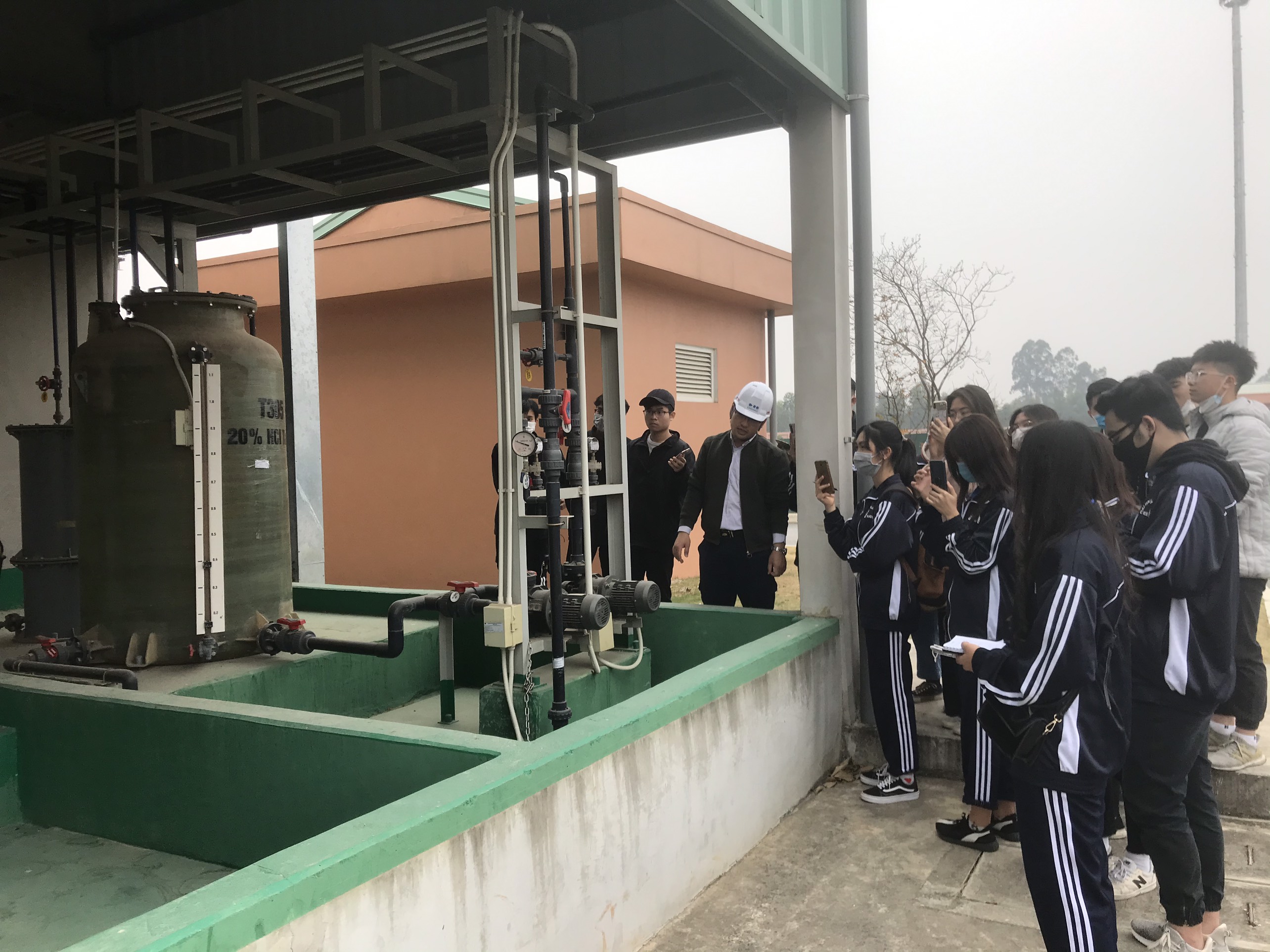
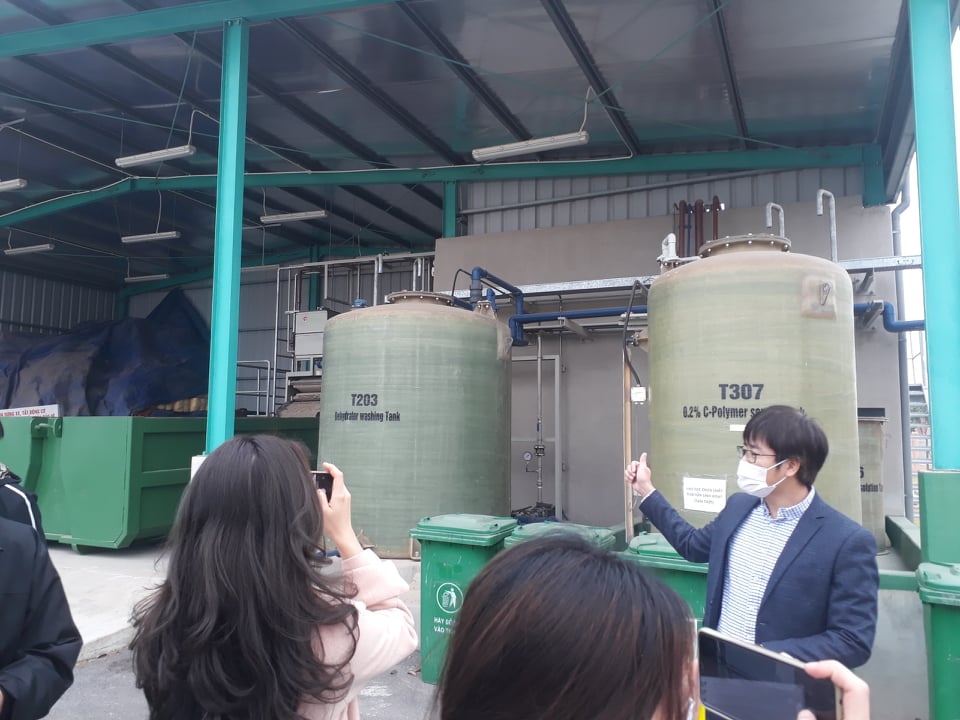
First-year students gain practical experience at an industrial park and complete a group report.
(K65, academic year 2020-2021)
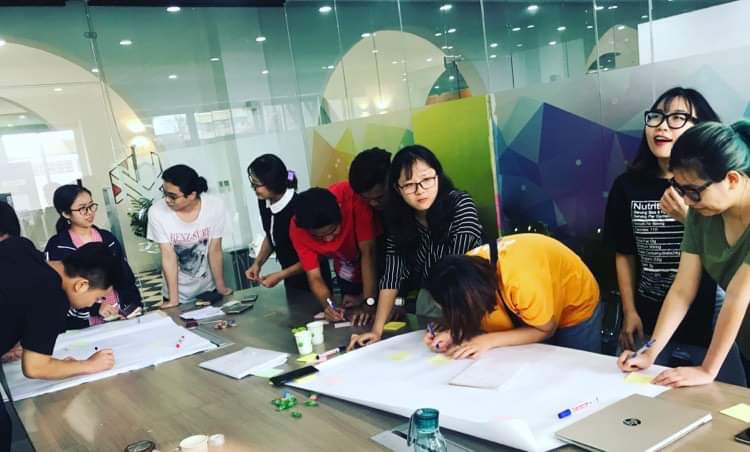
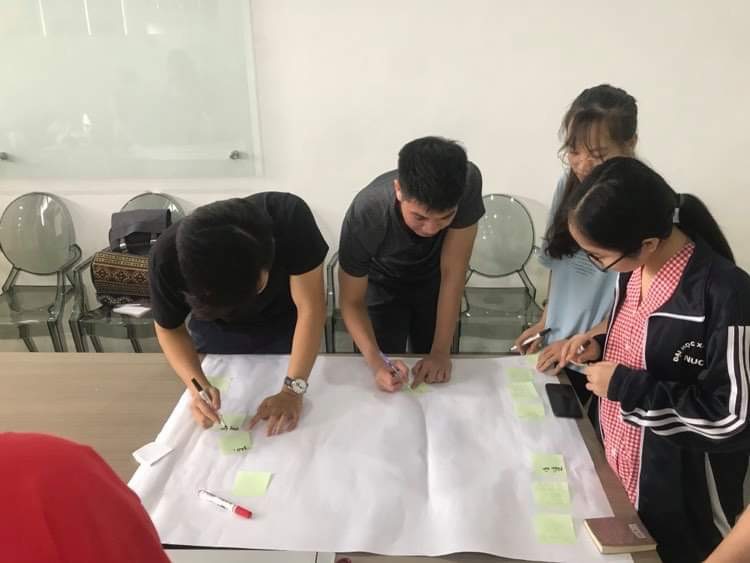
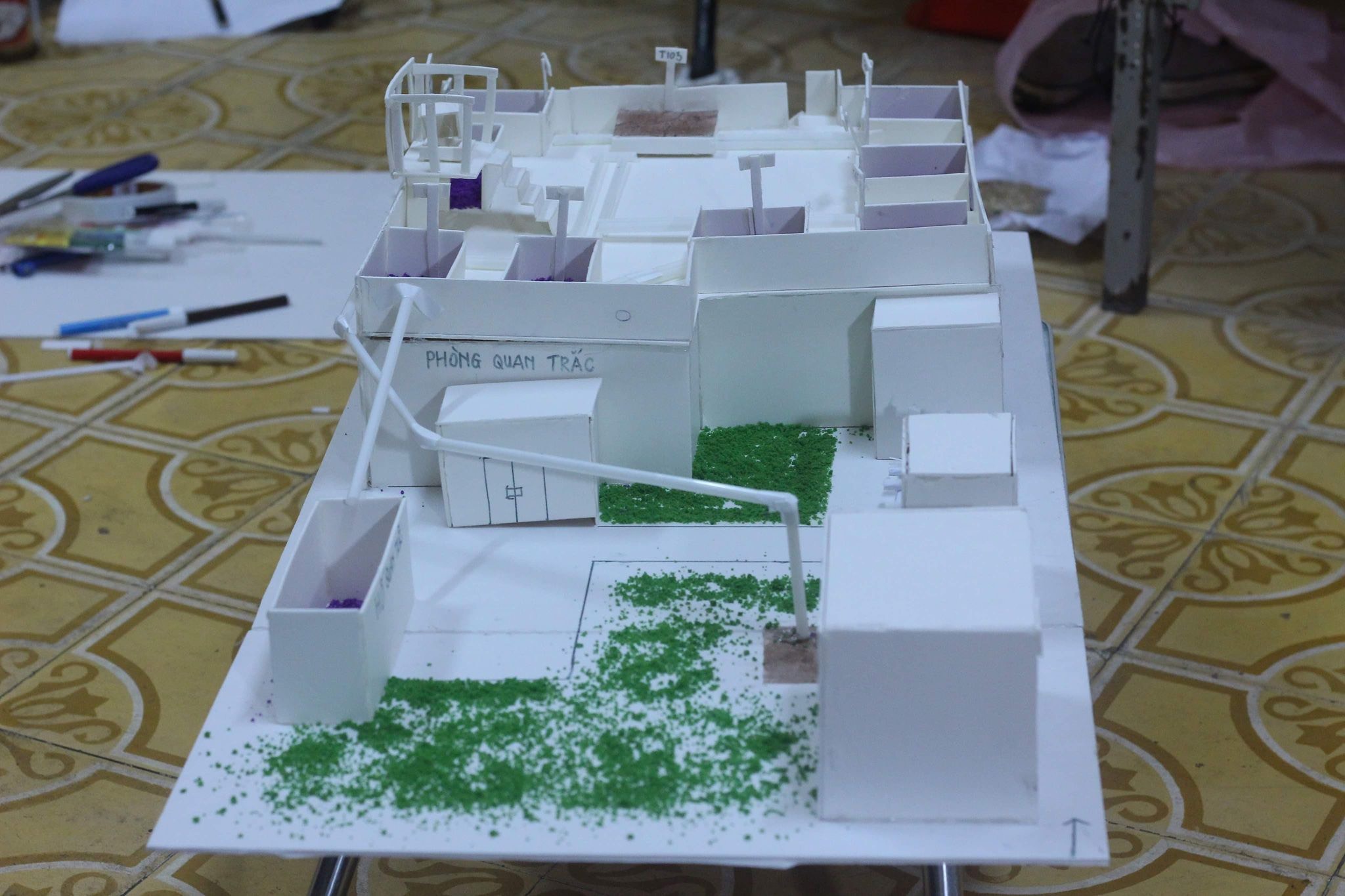
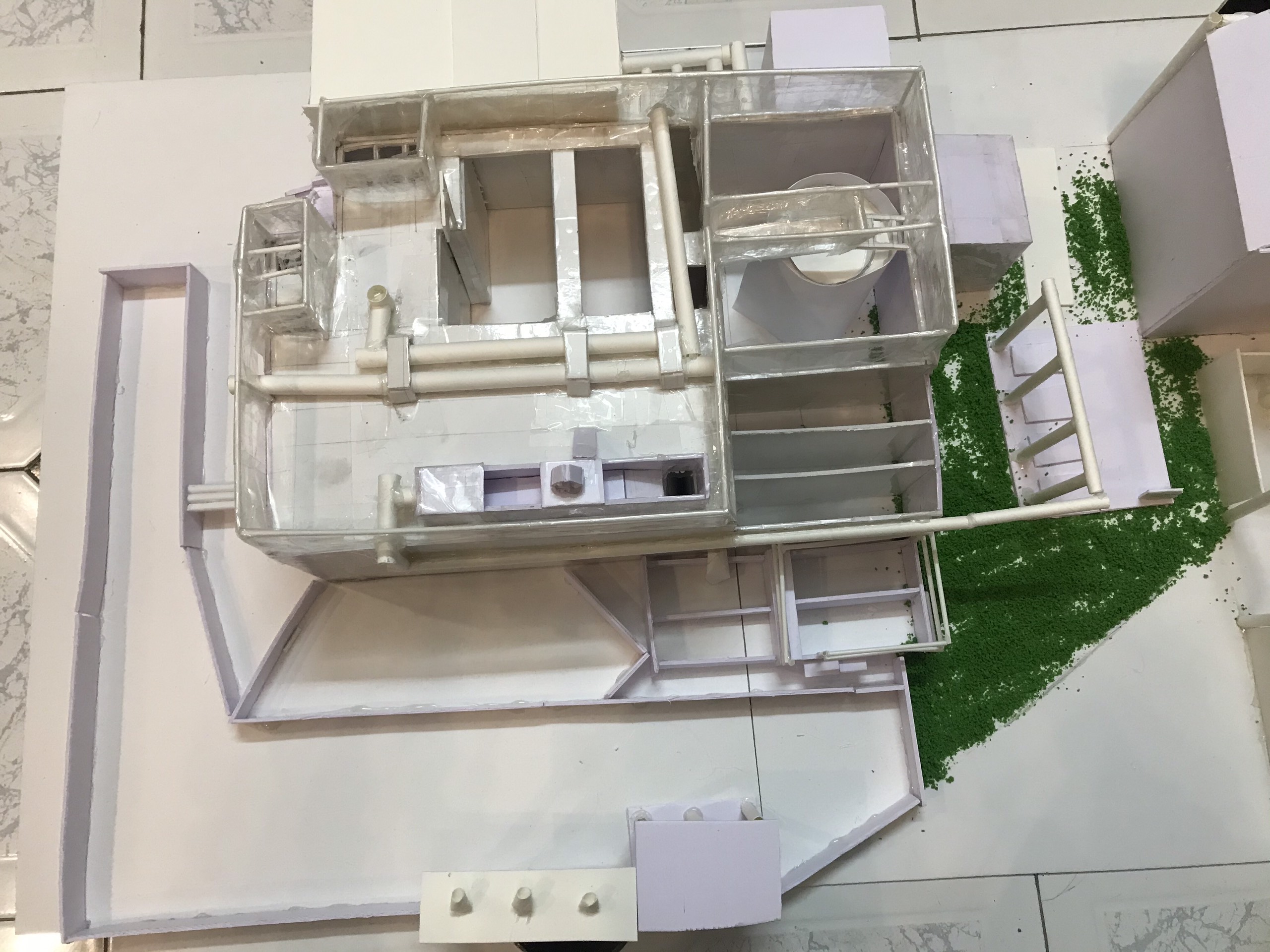
Students independently come up with ideas, design, and implement the Fablab model.
(Collaboration of students from cohorts K61-K64 of the Faculty of Computer Science)

Students participating in scientific research are provided with a professional environment.
Faculty of Computer Science Communications Department
Source: Website of the University of Civil Engineering
Editor: Tra Vo
Photo: Editorial Board of the Faculty of Computer Science

 /
/


 16/07/2025
 .png)