On August 7, 2020, the Advisory Council of the Ministry of Construction held a meeting to evaluate and approve the results of the research project "Research and proposal of solutions for treating toilet waste, domestic wastewater, and solid waste in an ecological, closed-loop manner, suitable for island areas," carried out by Hanoi University of Civil Engineering (2017-2019). At the meeting, after summarizing the comments and suggestions from the expert reviewers and Council members, Assoc. Prof. Dr. Vu Ngoc Anh, Chairman of the Council and Director of the Department of Science, Technology and Environment, Ministry of Construction, highly appreciated the efforts and seriousness of the research team from Hanoi University of Civil Engineering in carrying out the project. The project's outputs were complete in quantity as required by the contract and ensured quality. The final project report was of good quality. The products possess both scientific significance and practical value; the technical solutions have been researched and perfected to ensure quality and high feasibility, comprehensively addressing environmental sanitation issues and are suitable for islands. The Advisory Council of the Ministry of Construction unanimously voted to approve the project with an Excellent rating.
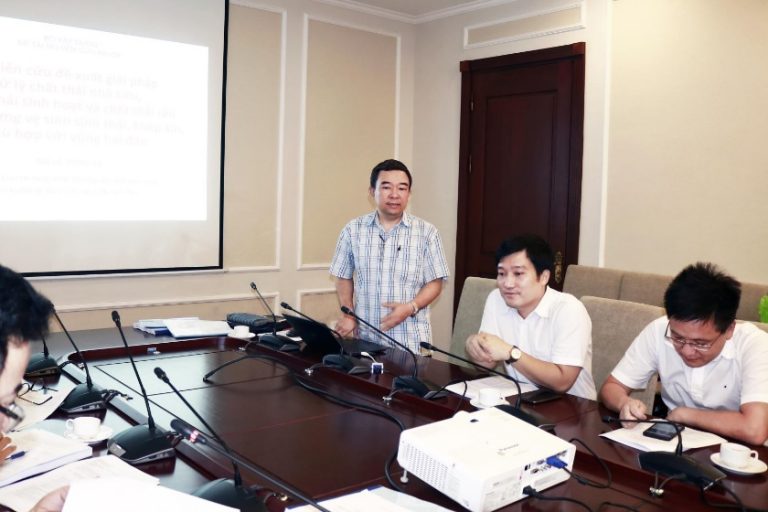
Figure 1. Representatives from Hanoi University of Civil Engineering and the research team at the Ministry of Construction's acceptance council.
PROBLEM STATEMENT AND RESEARCH OBJECTIVES OF THE THESIS
Our country has the East Sea, a large and important sea in the region and the world, with an area of over 1 million square kilometers, more than three times the area of the mainland. The Vietnamese sea area includes more than 3,000 islands of various sizes, with a land area of approximately 1,636 square kilometers. The country has 12 island districts, 53 island communes, with about 20 million people living along the coast and 170,000 people living on the islands. The sea and islands are sacred parts of the Fatherland's territory, holding a particularly important position in the cause of national construction, development, and defense.
The climatic conditions in coastal and island areas are generally harsh, with abundant sunshine, wind, storms, tropical and monsoon climates, high temperatures and humidity, prolonged wet periods, and the impact of seawater and the atmosphere on the sea and coastal areas causing severe corrosion of concrete and metal structures, including steel reinforcement in reinforced concrete. The impacts of climate change on coastal and island areas are becoming increasingly evident.
Water supply and drainage services, and solid waste collection and treatment in many coastal and island areas are still very limited and inadequate due to a lack of proper planning, insufficient investment, difficult access, and lack of maintenance funds. In particular, there is a significant lack of solutions for providing clean water, collecting and treating wastewater, and treating solid waste in remote and hard-to-reach locations on the coast and islands, for military units or residents. The toilets on the islands are mainly flush toilets with septic tanks built of brick and stone. In areas lacking fresh water, soldiers and island residents use seawater to flush toilets. In a salty seawater environment, microorganisms in the septic tanks cannot decompose waste or decompose it very slowly. Wastewater from the septic tanks, wash water, etc., largely seeps into the sand and flows directly into the sea. In some places, sludge from the septic tanks does not decompose and floats around the island. The above practices have led to severe pollution of the marine environment, especially at the water's edge around the islands, significantly affecting the health, daily life, and patrol and protection activities of the military, as well as the lives of local people and tourists. Freshwater for daily life in coastal and island areas is generally scarce, not to mention water for irrigating vegetables and raising chickens and pigs. Fertilizers and soil conditioners are also scarce, making it difficult to grow vegetables and essential food items to sustain life on the islands. Supplying food and drinking water from the mainland to the islands is often difficult due to the long distance, rough seas, and complications arising from international conflicts in disputed waters.
The project aims to develop appropriate, ecologically sound, self-contained sanitation models and technical solutions that allow for the integrated treatment of toilet waste, domestic wastewater, and organic solid waste for military units and family clusters living in island environments; effectively control pollution from domestic waste; recover necessary substances for reuse in agriculture and livestock farming; and contribute to protecting health, improving living and combat conditions for soldiers and residents, protecting the environment, and safeguarding maritime sovereignty.
SOME SOLUTIONS APPLIED BY THE RESEARCH AND IMPLEMENTATION PROJECT:
Modular prefabricated dry latrines for composting and solutions for creating phosphorus-rich precipitates for fertilizer from urine and seawater.
Due to the lack of flushing water and the need for nutrients in agriculture, the research team proposed a modular, prefabricated dry latrine composting model to process latrine waste. The latrine waste is composted to produce fertilizer. Urine (rich in P and N) can be mixed with seawater (rich in Mg²⁺ ) at pH = 8 to form a precipitate (struvite) which is used as magnesium ammonium phosphate hydrate (MAP) fertilizer. MAP fertilizer contains up to 35.6 % PO₄³⁻ , 4.3% NH₄⁺ , and 15.4% Mg. The reaction equation is as follows:
Mg 2+ + NH 4 + + PO 4 3- + 6H 2 O = MgNH 4 PO 4 .6H 2 O↓
Figure 2 shows a model of a dry composting latrine with urine separation, installed and transferred to a military unit on Cat Ba Island by the research project. With a seawater/urine volume ratio of 5.56:1, the phosphorus recovery efficiency reached 95.31% ( Figure 3 ). The latrine meets the QCVN 01:2011/BYT standard for hygienic latrines of the Ministry of Health.
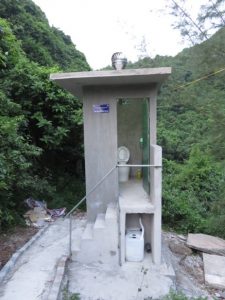
Figure 2. Dry latrine, composting, urine separation, installed for a military unit on Cat Ba Island.
KvquwKIIzAfEQRaRFs93Rts1x2QzUjVDWzVlqBf50DwlHjqjASu6mXTZaDZh%252bSigXzyhii90POzTfpRBNVTGxzkYR5 C2Yf5TbaxUL8S1mb50yREb5Z3jMitpGO3EhmhaVzAK9GIhK5hUGhLX%252fOwGISu3youP1oHkmE%252bAnnR7rtOWIMVZC hdiFvnX8V2QxGu5IQ2eN4GfAIK4pn1fwLPW4jUZ5hgp6%252fiz42wGVaTUprlbY5VlZ%252fjiNQIIgVy9e07j40h5leL LZABdbFMUm%252fXQ3Yg1RYfV%252fvdX9sKki8tfDui7LmB34qEAiSeeZRvbDfnfsf4hjKwvly1eO0r6B3MJomUzE1PFNQ apm4vspkAl4%252fyXD5%252b6aIvAxbaqmqXZejEIPBBetfgTLuerobmJG63FpFdDE2EvpHcB3CBasqCFS%252bULcP0o Sko%252bz9FPG3rJXIcQKvuQxX5eMAq%252bbZWod%252bT4pMS35ZkdBPbFDYE4PZhr3mS2Faq5gNDA6f35oycJV1j%252 fYnugsnApzyrs4rvKJIZF7pCWk1YqJSky7xLr1A5pGsZouD6YAg%252f1Fwz%252fzXAstIf9JlyuSITPYPooIeCgz0zqp BbiGvEO3JsEydY8UDA66N9JniAOpS76zaKUpxUyaneXMl69rPnWwg2%252fPw%253d%253d&fileName=3-225x300.jpg" /> 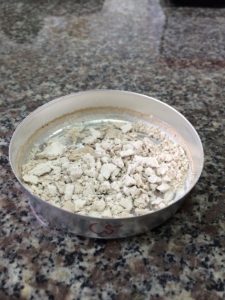
Figure 3. Experiment to precipitate MAP struvite for phosphorus recovery from urine.
Prefabricated composite septic tanks
In areas with freshwater for flushing toilets, the research team proposed a prefabricated composite septic tank model ( Figure 4 ), with a stackable structure for convenient transportation to the island by ship, as well as manual transport from ship to island. The composite tank shell meets the requirements for operation in a marine environment, referencing TCVN 6282:2003.
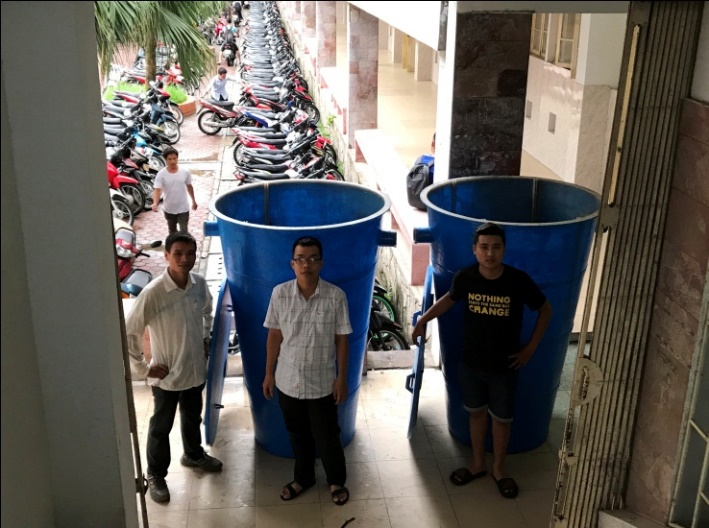
Figure 4. Prefabricated composite septic tank for use in coastal and island areas.
Septic tanks flushed with seawater, using salt-tolerant microbial preparations.
In areas lacking freshwater but still needing or accustomed to using flush toilets, a biological treatment for toilet waste in a seawater environment has been researched and developed in collaboration between the University of Civil Engineering and the Institute of Microbiology and Biotechnology, Vietnam National University, Hanoi. The result is the successful cultivation and proliferation of BKM anaerobic sludge, which is highly adaptable to seawater conditions. The cultivated BKM product contained 2.8 x 10⁹ MPN/ml methanogens and 4.6 x 10¹⁰ MPN/ml total anaerobic bacteria, with stable methane production activity at 0.867 x 0.042 gCOD- CH₄ /gVSS.day, a sludge volume index (SVI) of 15.8 x 0.84 ml/g, and sludge particles with a size of 1-2 mm accounted for > 50% of the total sludge particle size distribution. The BKMA microbial preparation containing BKM sludge microencapsulated in an alginate membrane was also created, helping to stabilize the microorganisms in the sludge in terms of both quantity and methane production activity. The alginate gel particles containing BKM sludge are dark gray in color, approximately 4.5 mm in diameter, with a methanogen density of 10⁸ – 10⁹ MPN/ml, and stable methane production activity at approximately 0.83 gCOD- CH₄ /gVSS.day.
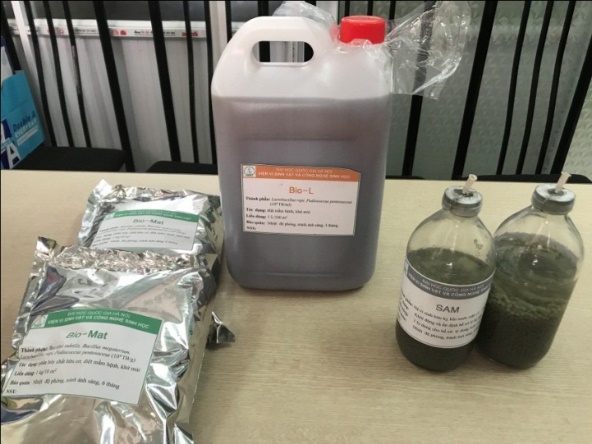
Figure 5. BKMA microbial preparation for septic tanks flushed with seawater (right) and Bio-MAT preparation for organic waste decomposition (left)
The BKMA product was used to treat wastewater in two seawater-flushed septic tanks installed on Cat Ba Island and Vinh Thuc Island, Quang Ninh province. Results from continuous operation over two years (2017-2019) showed that the product effectively supported the initiation and stabilization of treatment, resulting in good sludge growth and significantly improved effluent water quality. The product was shown to be suitable for seawater-flushed septic tanks with salt content up to 30 g/L.
ouD6YAg%252f1Fwz%252fzXAstIf9JlyuSITPYPooIeCgz0zqpBbiGvEO3JsEydY8UDA66N9 JniAOpS76zaKUpxUyaneXMl69rPnWwg2%252fPw%253d%253d&fileName=7-225x300.jpg" /> 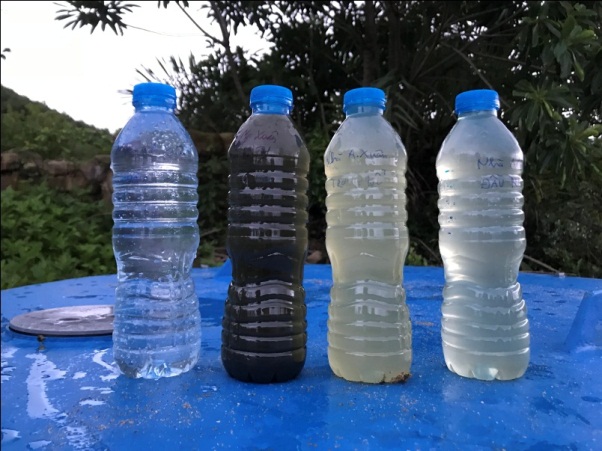
a) Sampling for evaluating the performance of the septic tank. b) From left to right: Seawater sample, Bottom sludge sample, Tank water sample, Septic tank outlet sample.
Figure 6. Seawater-flushed septic tank at Vinh Thuc Island
BASTAFAT prefabricated composite wastewater treatment tank assembly
The research team developed two modular prefabricated domestic wastewater treatment tank models: an anaerobic filter model combined with aerobic filtration, using porous stone or hollow plastic as microbial carriers; and an improved septic tank model with thin baffles and a BASTAT anaerobic filter combined with an AT aerobic treatment tank (BASTAFAT model).
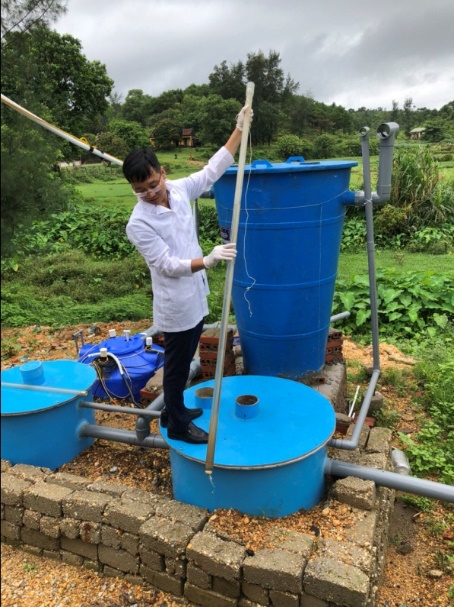
Figure 7. BASTAFAT system installed at the Vinh Thuc Island military unit.
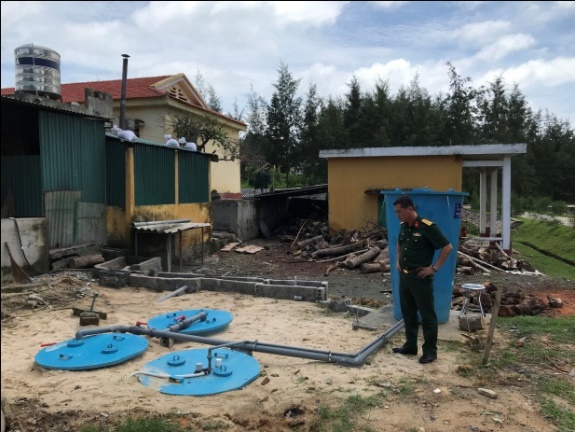
Figure 8. BASTAFAT system installed at the military unit on Co To Island.
Figure 7 shows a prefabricated BASTAFAT composite wastewater treatment tank model with a capacity of 1-5 m³ /day, comprising an improved septic tank with thin baffles and a BASTAT anaerobic filter combined with an AT aerobic treatment tank. Water is supplied to the AT aerobic tank containing distribution heads and aerobic filter media by a pump, powered by two sources: solar power and grid electricity, with online control via smartphone. Depending on requirements, the system is designed with a disinfection chamber using chlorine tablets or ultraviolet (UV) lamps. The system's operation is automatically controlled by time or water level using a PLC controller.
The model can be applied to treat domestic wastewater from households, groups of households, public works, tourism and service establishments, military units, etc. The treated wastewater meets level A standards, QCVN 40:2011/BTNMN and QCVN 14:2008/BTNMT.
The BASTAFAT system uses IREX Poly 260Wp solar panels, an SNRE 30A MPPT solar charger, and a 1000VA Sine Wave inverter to power the submersible wastewater pump, with a SEC 12V DC battery. The system utilizes a Be-link V2 remote monitoring and data acquisition system to collect data and send it to the server. The electrical cabinet is equipped with an MFM 383AC meter to measure instantaneous load parameters when the pump is operating. The pumps are fitted with contactors and time-setting relays, and can operate using either solar power or grid electricity.
The BASTAFAT system offers a highly efficient aeration solution for the AT aerobic tank via a pump and nozzle system, eliminating the need for an air blower. The system incorporates a design that separates debris, sand, and sediment to protect the submersible pump. The tank is airtight, leak-proof, highly durable, resistant to mechanical impact, and corrosion-resistant even in harsh marine and island conditions. The tanks can be manufactured on an industrial scale, with each tank weighing less than 50kg, allowing for easy manual transport onto ships and boats, transfer from ships to boats, or from boats to islands. The tank's shape allows for stacking multiple tanks, facilitating transportation. Because all components are prefabricated, installation is simple and convenient, shortening construction time. The system is compact, requires minimal space, avoids odors, and maintains aesthetic appeal. Inspection hatches allow for easy maintenance. In addition, this solution allows for savings in the construction of drainage networks, as treated water can be discharged directly into the environment or into the stormwater drainage network.
Rotary drum type composting equipment
Figures 9 and 10 illustrate a rotary drum type composting device, allowing for the processing of various types of organic household solid waste, toilet waste, livestock waste, etc., into compost, with the addition of fillers and microbial preparations. The composting drum is made of composite or recycled HDPE plastic, with a volume of 220 L. Four rows of holes (10 mm diameter) are drilled around the drum body for ventilation. Stainless steel arms are attached inside the drum, arranged in a staggered pattern, to evenly mix the materials during rotation. The drum is placed horizontally on a stand. The compost pile is made of wood or steel, and rotates around a steel pipe axis. This model allows for convenient mixing, keeps the compost pile well-ventilated and prevents heat loss, maintains hygiene by reducing odor, prevents the compost pile from being flooded during rain, and avoids leachate leakage.
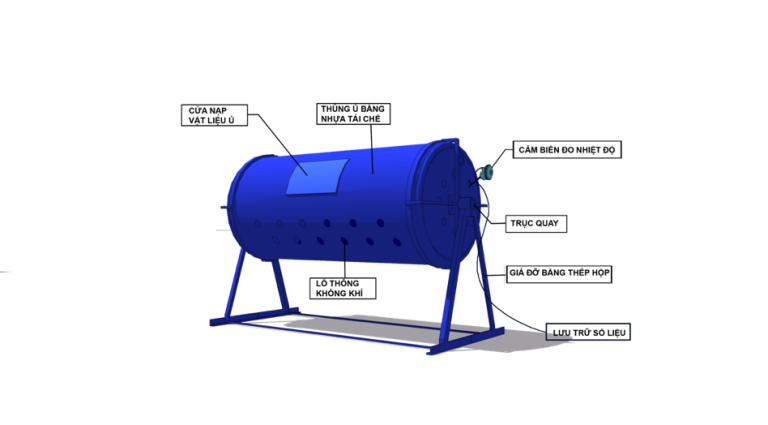
Figure 9. Model of a rotating drum-type composting bin for organic waste.
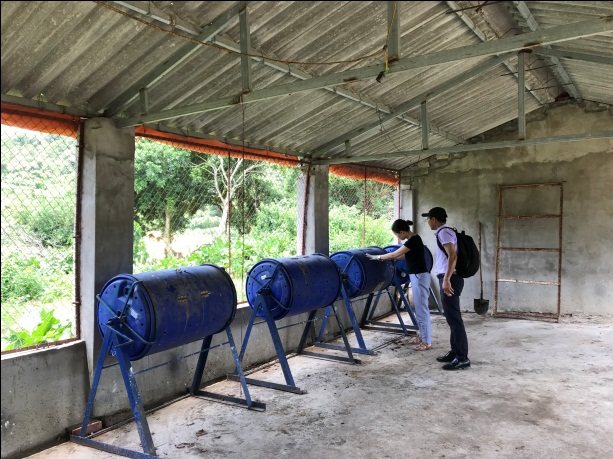
Figure 10. Rotating drum installed and handed over to the military unit on Co To Island.
Besides organic household waste, toilet waste, or livestock waste, other fillers such as leaves, wood chips, etc., can be added to compost bins. These fillers supplement carbon sources, help reduce the moisture content of the waste mixture, and create porosity and aeration in the compost pile. The ratio of composting materials should ensure a C/N ratio of 25-30/1.
To shorten the composting process and enrich the density of beneficial microorganisms in the compost, probiotic preparations commonly used to treat agricultural waste and animal waste can be added. These preparations typically include beneficial microbial strains that strongly synthesize extracellular enzymes (cellulose, amylase, and protease), produce antibiotics to inhibit mold and gram-negative bacteria, and contain Lactobacillus bacteria that strongly inhibit pathogenic bacteria such as E. coli , Salmonella , etc.
Rainwater harvesting and treatment model for direct drinking water supply.
The research topic involves installing a rainwater harvesting model with a composite rainwater tank, using materials suitable for storing drinking water, a collection system with automatic initial rainwater discharge, and a multi-stage rainwater filtration system combined with ultraviolet sterilization to provide direct drinking water.
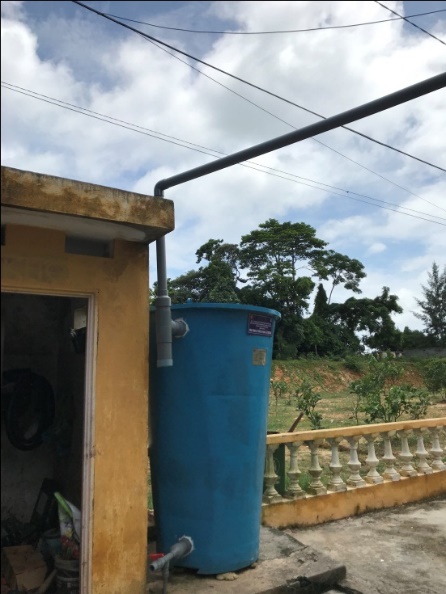
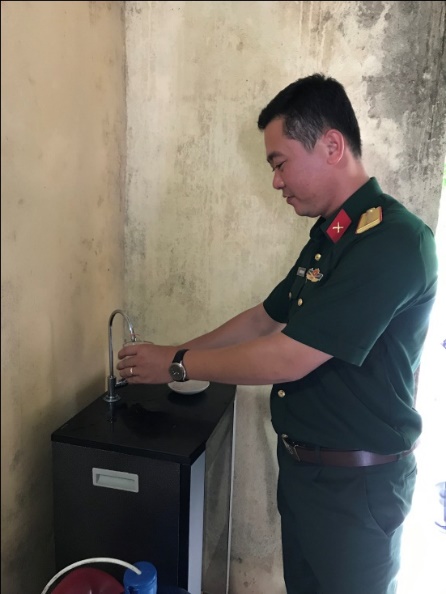
Figure 11. Rainwater collection and treatment system, providing direct drinking water, installed for the military unit on Co To Island.
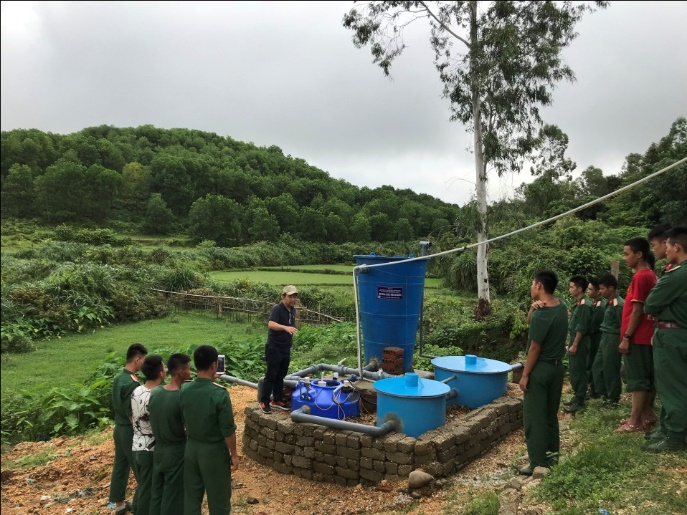
Figure 12. Training on operation, maintenance, and handover of the BASTAFAT wastewater treatment system to the troops on Vinh Thuc Island.
RESULTS OBTAINED AND SOME NEW, INNOVATIVE POINTS
The research team has successfully researched, implemented, and handed over for use 2 seawater flush toilets, 3 ecological dry toilets, 3 models for treating domestic wastewater, 2 models for composting, and 1 model for collecting, treating, and using rainwater for military units and households on Cat Ba Island (Hai Phong), Vinh Thuc, and Co To (Quang Ninh).
Based on the research results, comprehensive technical infrastructure solutions for military units and coastal and island settlements have been established, including solutions for toilet waste treatment, solid household waste treatment, wastewater collection and treatment, integration with rainwater harvesting models, solar energy models, and allowing for the reuse of treated wastewater, microbial composting, etc. These solutions can be flexibly expanded and integrated with other suitable solutions such as seawater desalination, water conservation, renewable energy (wind energy), livestock farming, and agriculture. In this system, waste streams are separated and treated and reused at the source, creating favorable conditions for applying high-efficiency treatment processes, implementing water and nutrient recycling cycles, and saving energy.
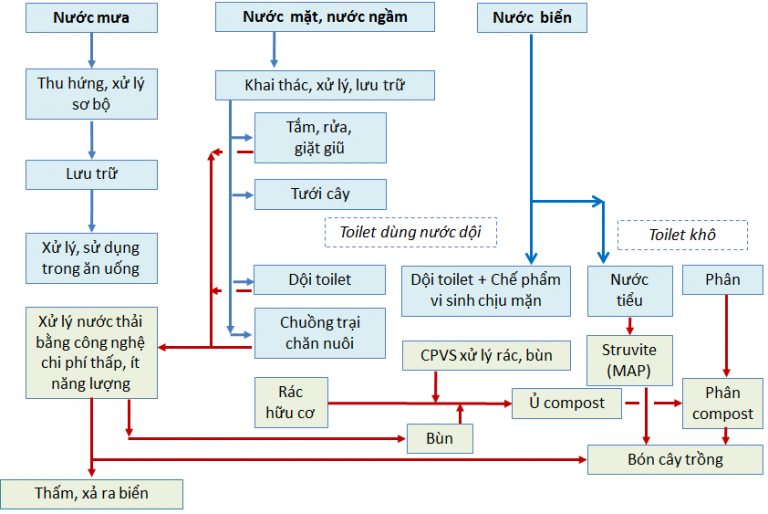
Figure 13. Proposed overall model of water supply and drainage – environmental sanitation for coastal and island areas.
The microbial preparation for septic toilets using seawater for flushing (with a dissolved salt content of up to 30 g/L) is a novel and innovative product. The dry toilet model separates urine and composts manure, and can be combined with organic household solid waste to produce compost for plant fertilization and soil improvement on islands; urine mixed with seawater creates a nutrient-rich struvite precipitate (N, P) that makes an excellent fertilizer for plants. The wastewater treatment tank, including anaerobic and aerobic processes, provides oxygen to the aerobic compartment without the need for an aerator, and the pump uses grid power or solar panels. The system can be monitored online, with a smart design that reduces costs while ensuring high treatment efficiency.
Water storage tanks, toilets, wastewater treatment plants, and solid waste treatment facilities are being researched with a focus on modular prefabrication using high-strength composite materials that can withstand saltwater environments. These structures are lightweight and robust, easily disassembled for transportation by sea and air, and can be installed, used, and moved on islands and coastal areas. The design, construction, installation, and operation and maintenance procedures have been finalized and are ready for transfer and practical application.
The research team has published 5 papers, presented at 2 conferences, and filed 1 intellectual property application. Two doctoral students and 2 master's students have benefited from the research results.
Research team: Prof. Dr. Nguyen Viet Anh (chair), MSc. Nguyen Viet Anh, Dr. Do Hong Anh, MSc. Tran Hoai Son, Dr. Dao Anh Dung, Dr. Pham Duy Dong, Assoc. Prof. Dr. Tran Viet Nga, Assoc. Prof. Dr. Tran Hien Hoa, Eng. Luong Hai Yen, and collaborators.
Source: Department of Science and Technology - University of Civil Engineering
Faculty of Computer Science Communications Team

 /
/


 16/07/2025
 .png)